







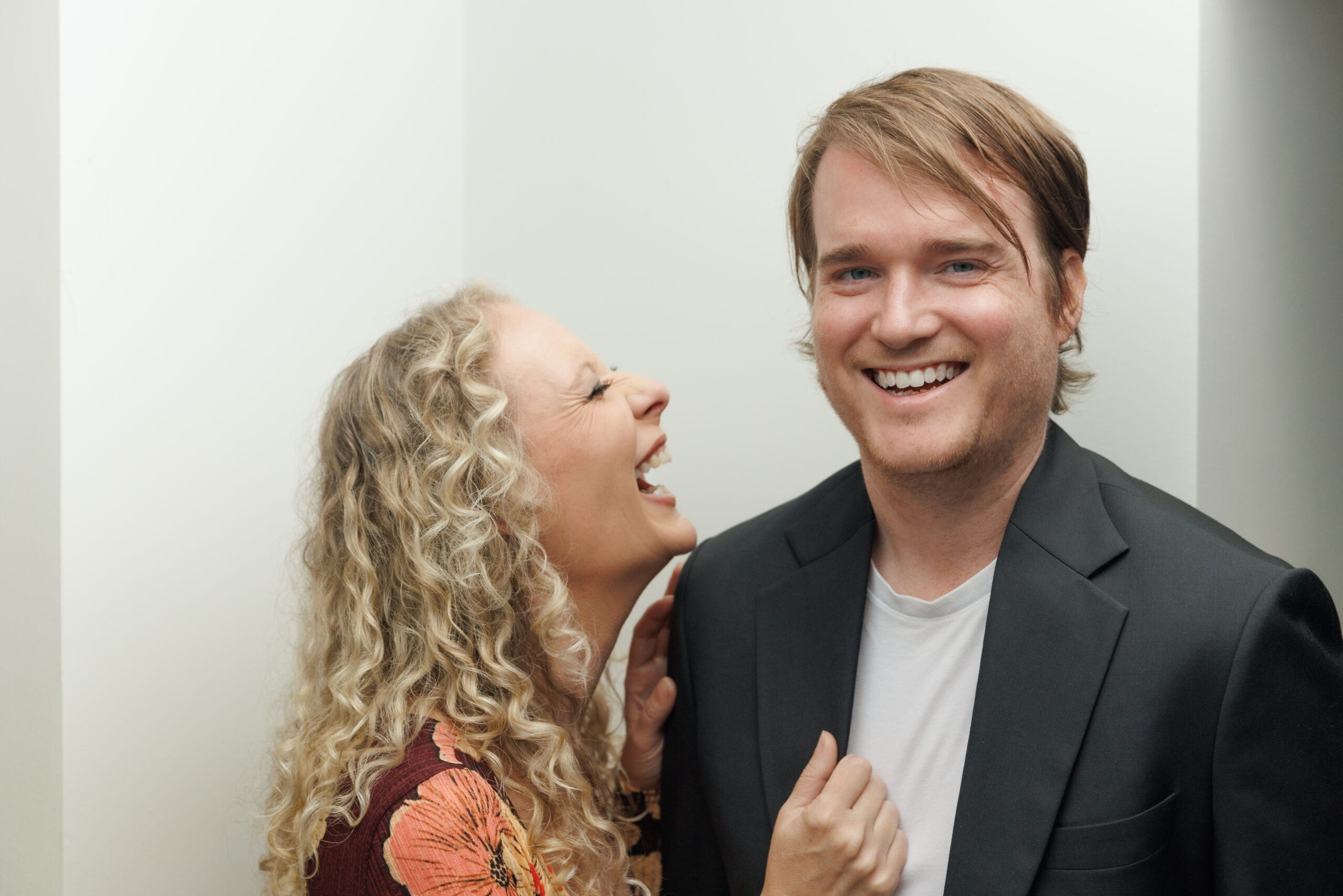
Divine Art Records announces Phase Change, a new album of orchestral works by composer Patrick Conlon and produced by Dr. Christina Giacona, in the first release of a new collaboration with the Fort Smith Symphony and GRAMMY®-nominated conductor John Jeter. Divine Art is thrilled to bring these multi-talented artists and groundbreaking orchestra to the label.
Conlon and Giacona are internationally recognised composers, performers, producers and engineers whose credits include numerous GRAMMY®-nominated and Billboard No. 1 recordings, working with artists and ensembles including Josh Groban, Celtic Woman, Karen Slack, Noah Bendix-Balgley, the London Symphony Orchestra, Royal Philharmonic Orchestra and Oklahoma City Philharmonic.
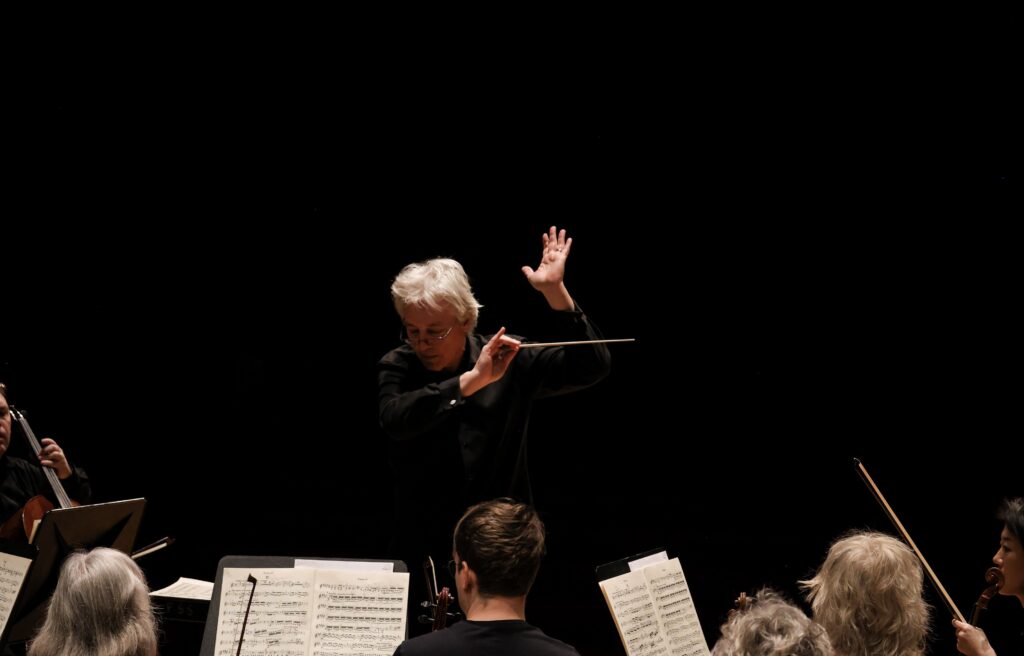
The Fort Smith Symphony under Mr. Jeter’s leadership has a growing international reputation, with a focus on highlighting local Southwest American composers such as Florence Price and William Grant Still, and Indigenous American composer, Louis Ballard. Conlon and Giacona both performed on the Fort Smith Symphony’s world premiere recordings of Price’s Fourth Symphony and Louis Ballard’s album The Four Moons.
In an era of orchestras working to import talent, Jeter is committed to investing in regional talent with direct audience connections, and Phase Change represents a milestone in this. The recording sessions will take place in March 2027 after the orchestra gives the world premiere performance of Conlon’s Symphony No. 2: “Remission” while Conlon serves as the orchestra’s composer-in-residence, and will be produced by Giacona, who is serving as the orchestra’s first producer-in-residence.
“American orchestras featuring their own musicians as soloists is less of a rarity today, but to bring forward and spotlight the talents of its musicians as both composers, producers, and engineers demonstrates a level of dedication to the development of the orchestra and its audience that I find beyond laudable,” said First Inversion Executive Director David Weuste. “I can’t wait to bring this combination of star artists to a wider international audience through the Divine Art label in order to showcase the incredible artistry that John Jeter and the Fort Smith Symphony are presenting and developing in the American Southwest.”
Phase Change acts as a retrospective compilation spanning Conlon’s 15-year tenure as a composer and performer with the Fort Smith Symphony which has included a number of composer residencies with the orchestra. The album’s centerpiece, Symphony No. 2, “Remission”, is a five-movement symphony exploring the complex and often contradictory meanings of the word. While the term is commonly associated with recovery, it also implies uncertainty, vigilance and the possibility of return. The work examines remission not as a triumphant conclusion but as an ongoing condition of living. The symphony is inspired by Patrick’s experience accompanying his partner and co-composer Christina Giacona through breast cancer diagnosis, treatment and recovery. Instead of presenting a literal narrative of events, the music investigates broader questions of time, memory, fear, resilience and adaptation. Musical ideas emerge, disappear and return in altered forms, creating a structure in which stability is challenged by recurrence.
Two movements expand material from earlier string orchestra works, In the Waiting Room and The Time We Could Have Lost, placing those musical ideas within a larger symphonic architecture. The symphony is intended both as a personal artistic statement and as a reflection on experiences shared by millions of patients, survivors, caregivers and families. By focusing on remission as an unresolved, evolving state rather than a definitive outcome, the piece seeks to offer a nuanced musical meditation on endurance, uncertainty and hope.
The accompanying orchestral pieces featured on the album highlight diverse conceptual themes, including the science-based Symphony No. 1: Phase Change, WUBWUBWUB, a Double Concerto for Violin, Clarinet and Orchestra, and Swank Royalty, a celebratory centenary fanfare.
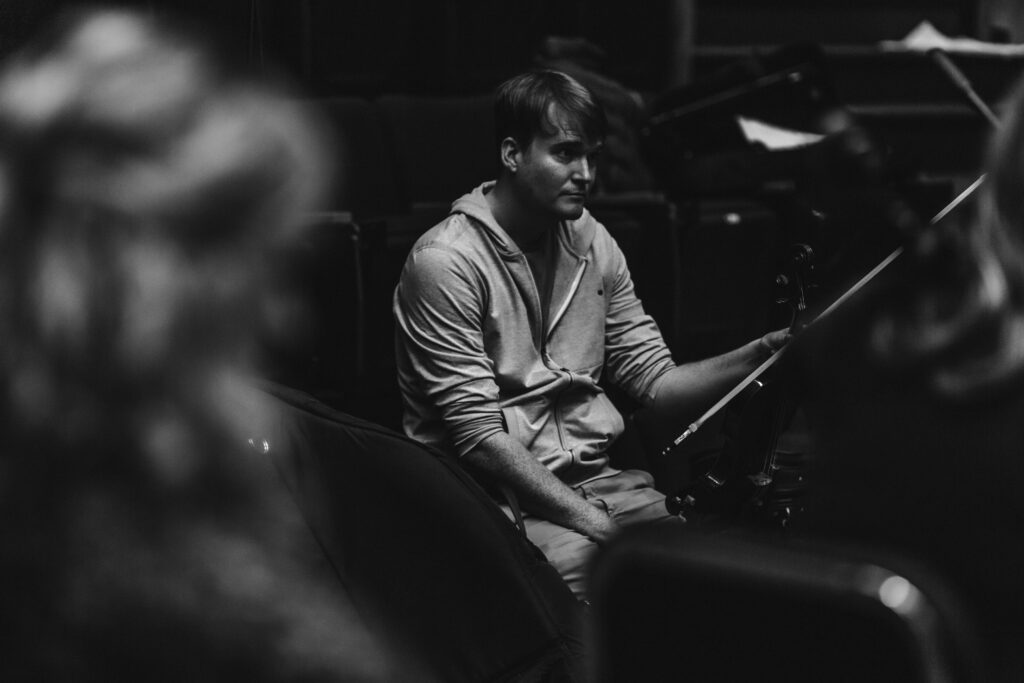
Patrick Conlon has collaborated with his artistic partner, Dr. Christina Giacona, for over fifteen years, first as founding members of The Los Angeles New Music Ensemble and later co-founding Onyx Lane, a music production company and record label distributed by Naxos of America. Conlon has production and engineering credits on seven GRAMMY®-nominated albums, including a GRAMMY®-winning release, has appeared as a violin soloist on recordings with the London Symphony Orchestra and Oklahoma City Philharmonic, and serves as Principal Second Violin of the Fort Smith Symphony. His orchestral works have been performed by ensembles including the Fort Smith Symphony, Oklahoma City Philharmonic and Arkansas Symphony, and in 2026 he was appointed Composer-in-Residence of the Fort Smith Symphony for its 2026–2027 season.

Dr. Christina Giacona is a multifaceted music producer, recording engineer, clarinetist, composer and conductor. She has produced over 50 albums, contributed to 15 feature films and directed more than 100 live productions, earning engineering and production credits on six GRAMMY®-nominated albums. A sought-after classical producer who works extensively with orchestras, choirs, and chamber ensembles, she holds a chair as 2nd Clarinet for the Fort Smith Symphony and was appointed as their Producer-in-Residence in 2026 to produce Conlon’s Symphony No. 2: “Remission”.
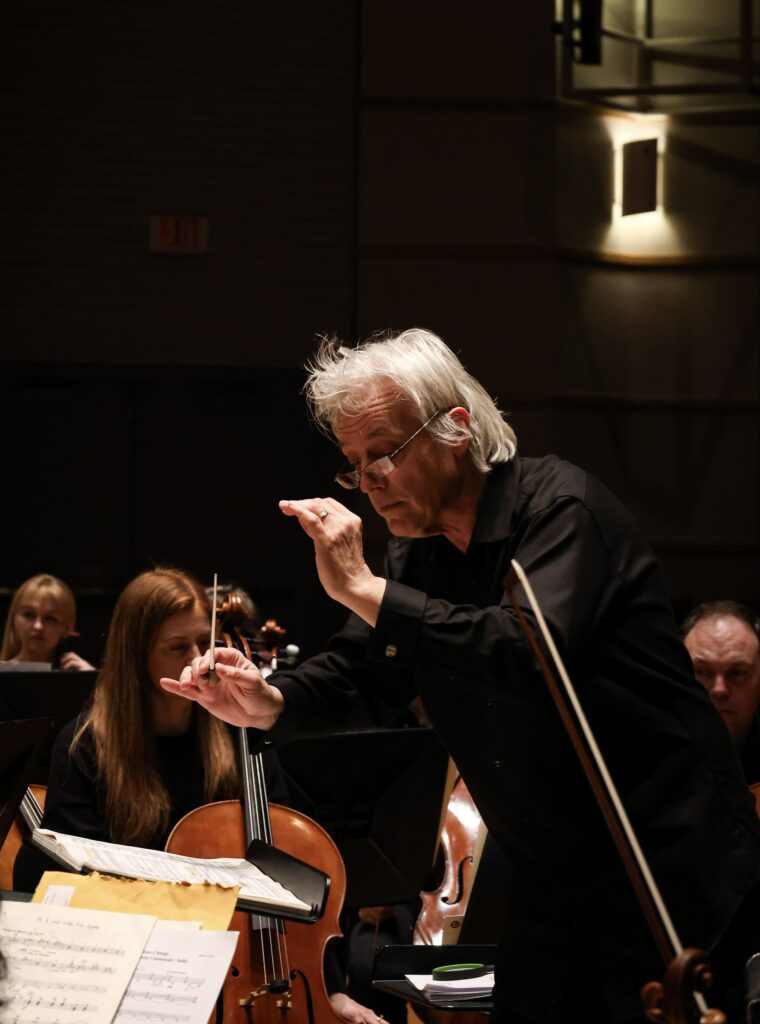
GRAMMY®-nominated conductor John Jeter is in his 30th season as Music Director of the Fort Smith Symphony, transforming it from a community orchestra into a globally recognized ensemble. Jeter was named Arkansas Artist of the Year and has received the Helen M. Thompson Award from the League of American Orchestras. His recordings have earned critical acclaim from major outlets like The New York Times, and he is celebrated for pioneering recording projects, including the complete symphony cycle of William Grant Still and the world premiere of the orchestral music of Native American composer Louis Ballard.